

The U-space ConOps
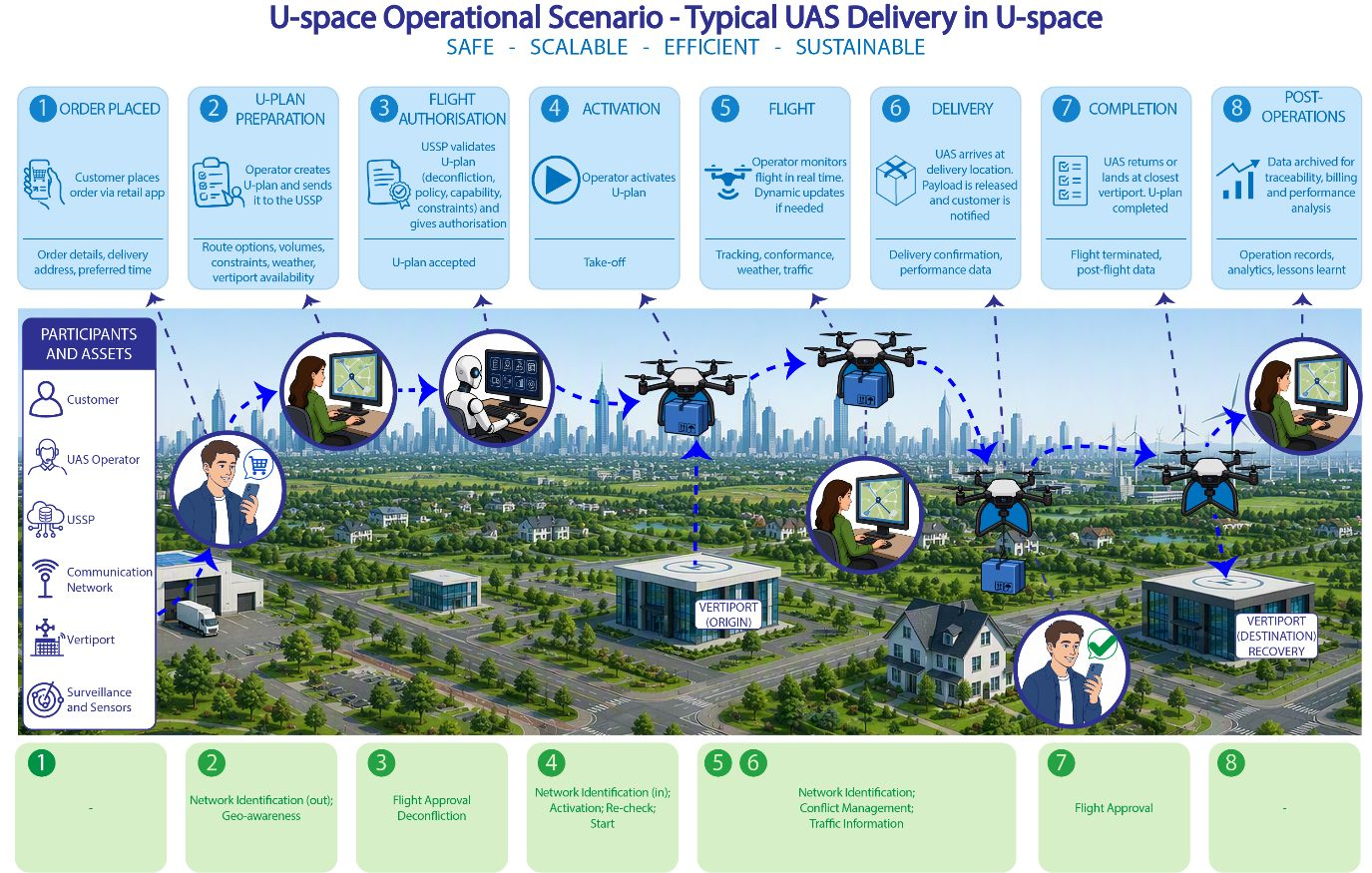
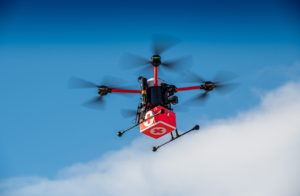
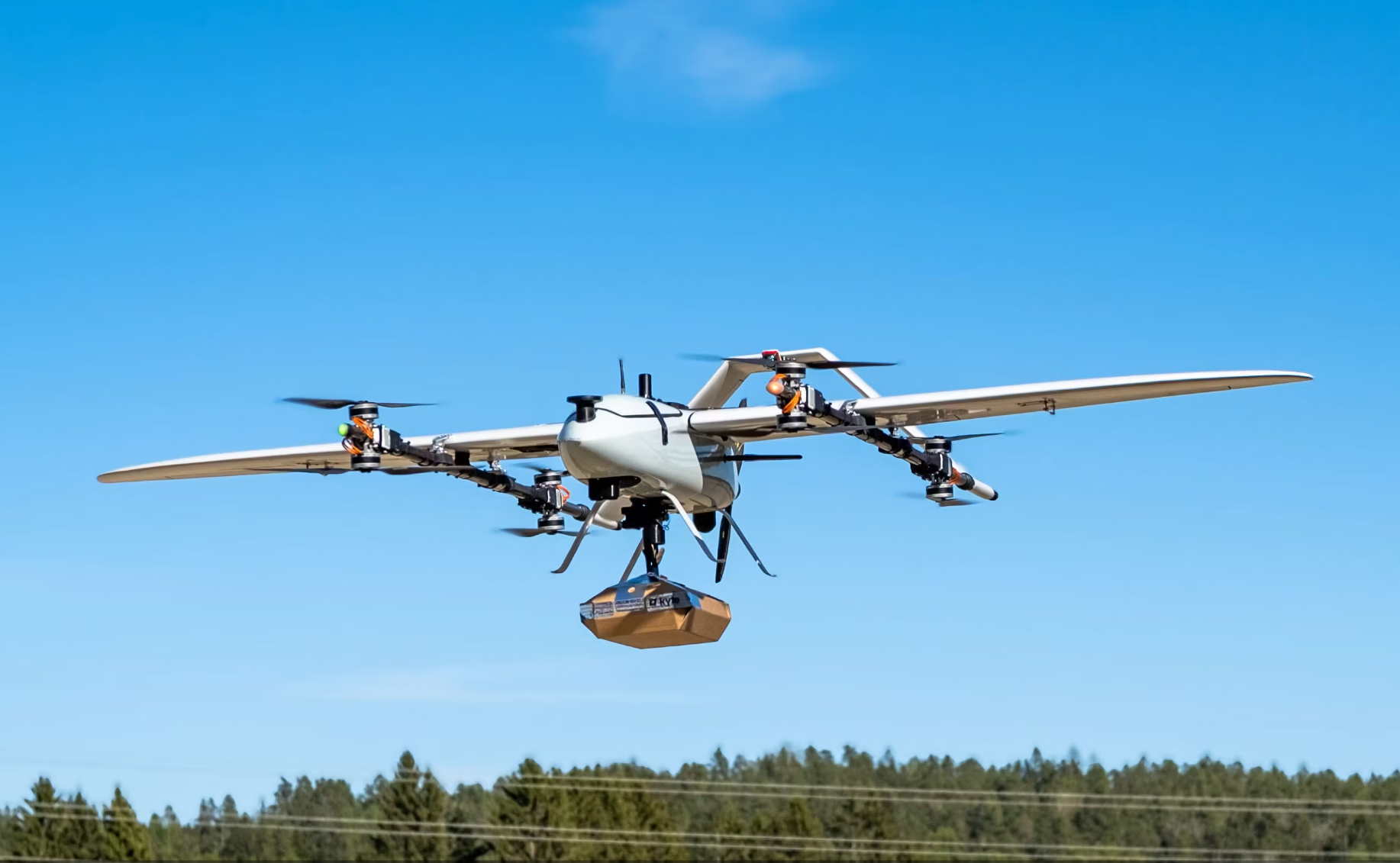
U-space is Europe’s traffic management system for Unmanned Aircraft Systems (UAS). Small UAS, commonly known as drones, are becoming an increasingly familiar sight. They are used by police and first responders, for a growing range of commercial applications such as deliveries, and for leisure activities. However, UAS operations involve risks relating to safety, security and social acceptance. U-space aims to bring these risks down to an acceptable level.
The U-space Concept of Operations (ConOps) aims to give U-space stakeholders a common understanding of how U-space works, providing a shared basis for discussion and further development. It is developed through consensus among U-space users and service providers.
SESAR CORUS Projects
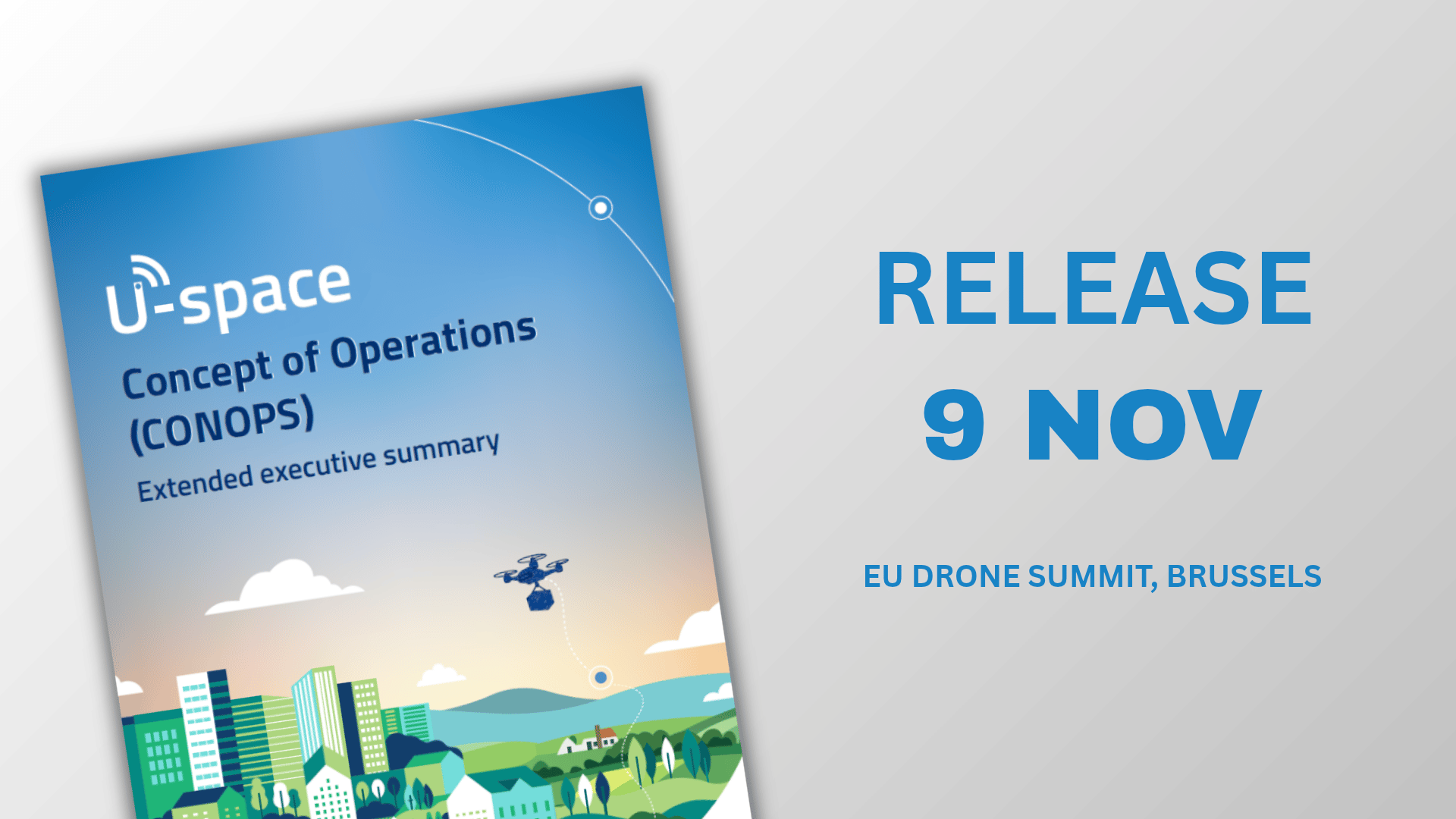
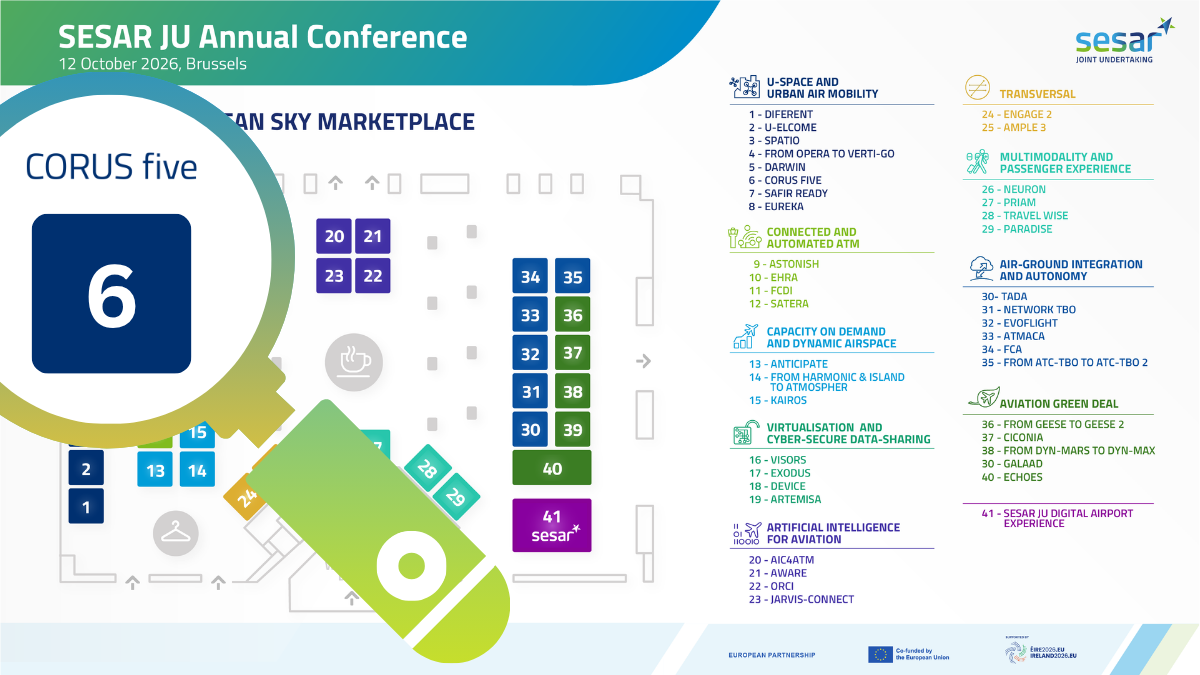
As implementation experience grows and research projects refine the concepts behind U-space, the ConOps needs to evolve to reflect the latest developments. The CORUS five project aimed to bring it up to date by developing the fifth edition of the ConOps, which was published in November 2026.
Building on the work of CORUS, CORUS-XUAM and CORUS five projects, the new DiFeRent CORUS project, coordinated by EUROCONTROL, addresses a related challenge: the development of Digital Flight Rules (DFR). These are intended to complement existing aviation rules with a framework better suited to highly automated and remotely piloted aircraft operations, enabling different types of aircraft to safely share the same airspace.